
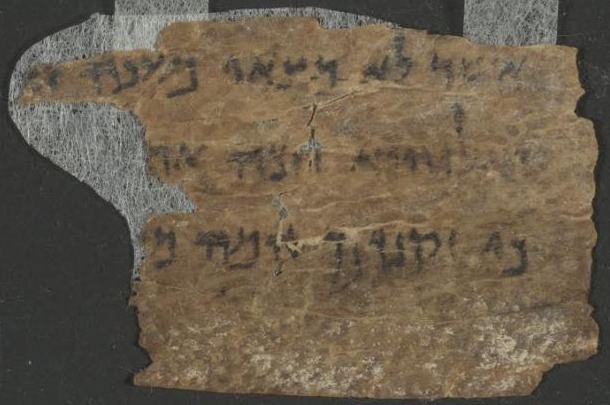
Job’s Character and Wealth// James 5:7–12
1There was a man in the land of Uz whose name was Job. And this man was blameless and upright, fearing God and shunning evil. 2He had seven sons and three daughters, 3and he owned 7,000 sheep, 3,000 camels, 500 yoke of oxen, 500 female donkeys, and a very large number of servants. Job was the greatest man of all the people of the East.
- JOB 1:1[ARCHAEOLOGY]A Babylonian poem, Ludlul bel nemeqi, tells of a righteous man who suffered and was healed, see The Babylonian Job Field Notes page
- JOB 1:1[NOTE]THE LAND OF UZ. Nobody knows exactly where it was. Lamentations 4:21 ties Uz to Edom, south and east of the Dead Sea. An old tradition puts it in the Hauran, east of the Sea of Galilee. Either way, most readers think Job was not an Israelite.
- JOB 1:1[NOTE]BLAMELESS. Not sinless. It means a man of whole hearted integrity. God Himself says it in 1:8.
- JOB 1:3[NOTE]RICH IN ANIMALS. In the days of the patriarchs, wealth was counted in flocks, herds and servants, like Abraham in Genesis 13:2 and 24:35.
4Job’s sons would take turns holding feasts in their homes, and they would invite their three sisters to eat and drink with them.
5And when the days of feasting were over, Job would send for his children to purify them, rising early in the morning to offer burnt offerings for all of them. For Job thought, “Perhaps my children have sinned and cursed God in their hearts.” This was Job’s regular practice.
- JOB 1:5[HEART]Job offered sacrifices in case his children had cursed God in their hearts. He cared about what was inside, not only what people did.
- JOB 1:5[NOTE]JOB THE PRIEST. Job offered burnt offerings for his family himself, like Noah, Abraham and Jacob did. After the law of Moses, Israel's offerings went through the priests. Many see this as a clue that Job lived before Moses. See the Big Question When Did Job Live?
Satan’s First Attack
6One day the sons of God came to present themselves before Yahweh, and Satan also came with them.
- JOB 1:6[DEMONIC]Satan comes before Yahweh and accuses Job
- JOB 1:6[NOTE]THE HEAVENLY COURT. The sons of God are angels, the Greek Old Testament says. They come to report to God like officials before a king. See What Was the Angels' Sin? in Jude.
- JOB 1:6[NOTE]SATAN. The Hebrew says the satan, which means the accuser. See the Big Question Who Is the Satan in Job?
7“Where have you come from?” said Yahweh to Satan.
“From roaming through the earth,” he replied, “and walking back and forth in it.”
8Then Yahweh said to Satan, “Have you considered My servant Job? For there is no one on earth like him, a man who is blameless and upright, who fears God and shuns evil.”
9Satan answered Yahweh, “Does Job fear God for nothing? 10Have You not placed a hedge on every side around him and his household and all that he owns? You have blessed the work of his hands, and his possessions have increased in the land. 11But stretch out Your hand and strike all that he has, and he will surely curse You to Your face.”
- JOB 1:9[NOTE]FOR NOTHING? This is the real question of the book. Does anyone love God just for who He is, or only for what He gives?
12“Very well,” said Yahweh to Satan. “Everything he has is in your hands, but you must not lay a hand on the man himself.”
Then Satan went out from the presence of Yahweh.
- JOB 1:12[NOTE]ON A LEASH. The satan can go only as far as God allows. See Who Caused the Census? in 2 Samuel.
Job Loses His Children and Possessions
13One day, while Job’s sons and daughters were eating and drinking wine in their oldest brother’s house, 14a messenger came and reported to Job: “While the oxen were plowing and the donkeys were grazing nearby, 15the Sabeans swooped down and took them away. They put the servants to the sword, and I alone have escaped to tell you!”
- JOB 1:15[NOTE]SABEANS AND CHALDEANS. Raiders from Arabia in the south and from Mesopotamia in the east, 1:17.
16While he was still speaking, another messenger came and reported: “The fire of God fell from heaven. It burned and consumed the sheep and the servants, and I alone have escaped to tell you!”
- JOB 1:16[NOTE]FIRE FROM HEAVEN. Most likely lightning. The servant calls it God's fire because he thinks God did it.
17While he was still speaking, another messenger came and reported: “The Chaldeans formed three bands, raided the camels, and took them away. They put the servants to the sword, and I alone have escaped to tell you!”
18While he was still speaking, another messenger came and reported: “Your sons and daughters were eating and drinking wine in their oldest brother’s house, 19when suddenly a mighty wind swept in from the desert and struck the four corners of the house. It collapsed on the young people and they are dead, and I alone have escaped to tell you!”
20Then Job stood up, tore his robe, and shaved his head. He fell to the ground and worshiped, 21saying:
- JOB 1:20[NOTE]TORE HIS ROBE AND SHAVED HIS HEAD. Signs of deep grief in the ancient world.
“Naked I came from my mother’s womb,
and naked I will return.
Yahweh gave, and Yahweh has taken away.
Blessed be the name of Yahweh.”
- JOB 1:21[NOTABLE]On the worst day of his life, Job worshiped. You can praise God even before you understand.
22In all this, Job did not sin or charge God with wrongdoing.